
Air quality & ductwork
Most air quality problems are duct problems
The indoor air quality industry sells a lot of boxes that plug into ductwork. Some of them help. Almost none of them help as much as fixing the ducts they are plugged into.
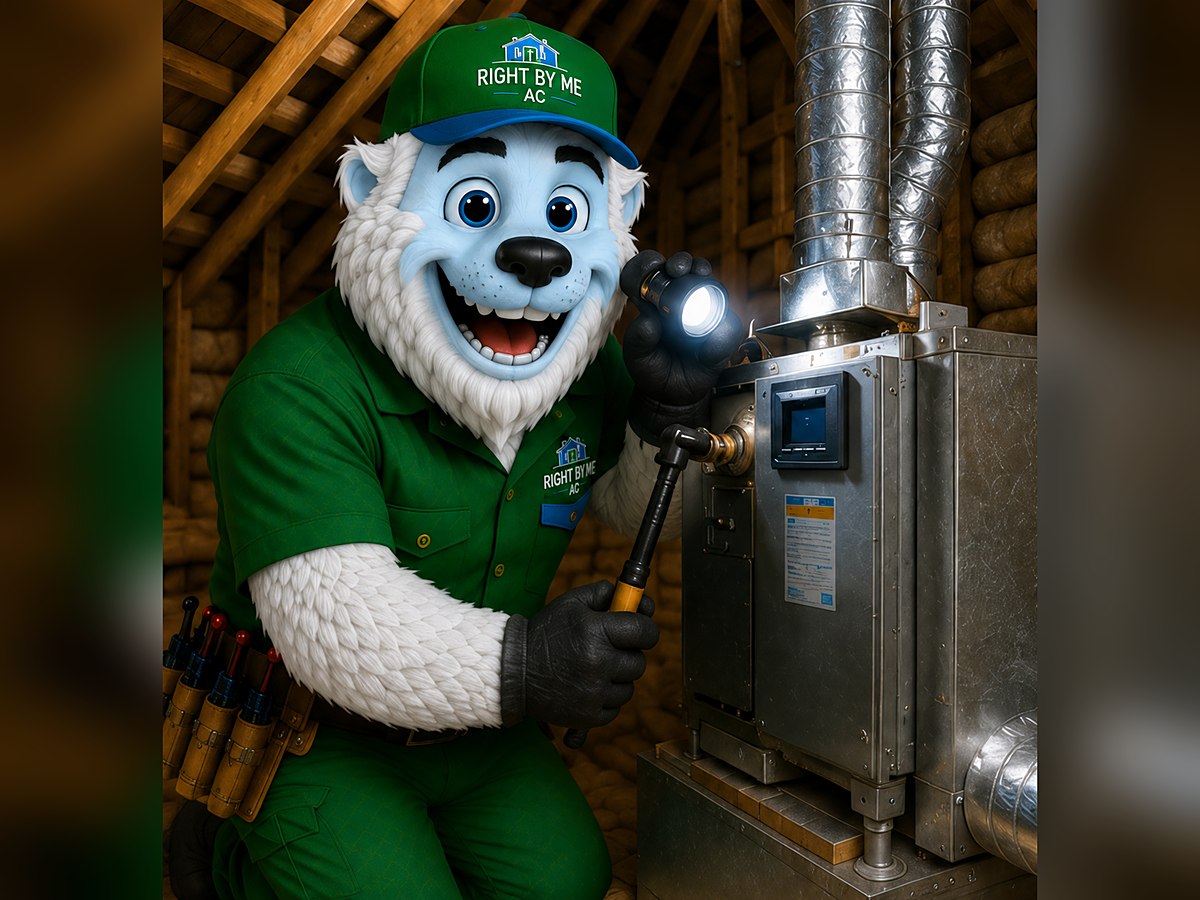
Start with the cause
Before we sell you equipment, we find out what is actually wrong. In Florida homes it is usually one of these four.
Leaking ducts
A typical Florida duct system loses 20–30% of its conditioned air, most of it into a 130-degree attic. Worse, leaking return ducts pull attic air — insulation fibres, dust, and whatever else is up there — directly into what you breathe. Sealing them improves air quality and your power bill at the same time.
Humidity, not temperature
If the thermostat says 74 and the house feels clammy, you have a moisture problem, not a cooling problem. Usually an oversized system that cools too fast to dehumidify. Adding a whole-home dehumidifier works, but correcting airflow or fan speed sometimes fixes it for a fraction of the cost.
Filtration that is too restrictive
A high-MERV filter in a system not designed for it starves airflow, which freezes coils and burns out blower motors. The most expensive air-quality mistake we see is a well-meaning homeowner buying the densest filter on the shelf. A media cabinet gives you real filtration without the pressure drop.
No fresh air at all
Newer, tighter homes trap everything indoors. Older leaky homes have the opposite problem — they breathe through the attic and the crawlspace. The fix is different in each case, so the first step is finding out which one you have.

What we actually do
- Duct inspection and sealing — mastic on every joint, not tape. Tape fails in an attic within a few summers; it always has.
- Duct replacement where runs are crushed, disconnected or undersized. Disconnected returns in the attic are far more common than anyone expects.
- Whole-home dehumidification for houses that stay clammy, sized against the actual moisture load.
- Media air cleaners — a 4- or 5-inch cabinet filter that catches far more than a 1-inch filter without strangling airflow.
- UV coil treatment for systems that keep growing biofilm on the evaporator, which is common here and is a genuine source of smell.
- Fresh air ventilation for tight newer construction.
Where we will talk you out of something: whole-house air purifiers marketed on scary claims, ozone generators of any kind (they are lung irritants and we will not install one), and duct cleaning sold as an annual necessity. Duct cleaning has its place after construction, a rodent problem or visible mould — but as a yearly subscription it is not supported by the evidence and we will not sell it to you that way.
Indoor air quality pricing
Common work
| Duct inspection with static pressure test | $129 — waived with any duct work |
|---|---|
| Duct sealing (typical home) | $800 – $2,400 |
| Media filter cabinet, installed | $450 – $850 |
| UV coil light | $380 – $700 |
| Whole-home dehumidifier | $2,200 – $3,800 |
| Fresh air ventilation | $900 – $2,100 |
| Duct cleaning (when genuinely warranted) | $400 – $900 |
The inspection is the honest starting point. Plenty of homes need nothing beyond a better filter and a drain treatment, and we will say so.
Questions we get asked a lot
How often should I change my filter?
A 1-inch filter in a Florida home: every 30–60 days during cooling season, and closer to 30 if you have pets. A 4- or 5-inch media filter: every 6–12 months. Set a phone reminder — a blocked filter is the single most common cause of the “my AC stopped working” call we get.
Is duct cleaning worth it?
Sometimes, and not annually. It is genuinely worth doing after construction or renovation work, after a rodent infestation, or where there is visible mould growth. As a recurring yearly service sold on before-and-after photos of somebody else’s ductwork, it is not. We would rather seal your ducts than clean them.
Will an air purifier help my allergies?
It can, but usually less than fixing the ductwork feeding it. If your return duct is pulling attic air, you are filtering a stream of fresh dust that never had to enter the house. Fix that first, then decide whether you still need the equipment. Often you do not.
My house is humid even with the AC running. Why?
Nearly always an oversized system. It cools the air to temperature so quickly that it shuts off before it has pulled meaningful moisture out. The thermostat is satisfied, the house is not. Sometimes a fan speed adjustment fixes it outright; sometimes it needs a dehumidifier; occasionally it needs correct sizing at replacement time.